

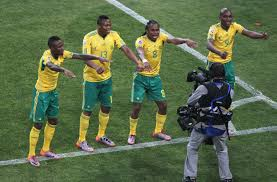
The World Cup is the most prestigious and widely watched sporting event on the planet. Organized by the Fédération Internationale de Football Association (FIFA), it brings together national football teams from all over the world to compete for the ultimate prize in the sport. Held every four years, the tournament captures the attention of billions of fans, creating moments of joy, heartbreak, drama, and unforgettable history. From legendary goals to shocking upsets, the World Cup is more than just a competition—it is a global celebration of unity, passion, and athletic excellence.
1. History of the World Cup
The first FIFA World Cup was held in 1930 in Uruguay, marking the beginning of a sporting tradition that would grow into the world’s biggest event. Only 13 teams participated in the first tournament, with Uruguay becoming the first-ever champions.
Over the decades, the World Cup expanded significantly, both in size and popularity. Today, it includes 32 teams (and will expand to 48 teams in future editions), representing all continents. This growth reflects the increasing global love for football.
Some of the most successful teams in World Cup history include:
- Brazil – the most successful team with 5 titles
- Germany – known for consistency and 4 championships
- Italy – also 4-time winners with strong defensive history
- Argentina – famous for legendary players like Diego Maradona and Lionel Messi
2. Format of the Tournament
The World Cup follows a structured format:
Qualification Stage
Teams from different continents compete in regional qualifiers. Only the best teams earn a spot in the final tournament.
Group Stage
Qualified teams are divided into groups. Each team plays against others in their group, and the top teams advance.
Knockout Stage
This is where the real drama begins. Matches become elimination-based:
- Round of 16
- Quarter-finals
- Semi-finals
- Final
The final match determines the world champion.
3. Famous World Cup Moments
The World Cup has produced countless unforgettable moments:
- 1958 – A young Pelé announces himself to the world with Brazil
- 1986 – Diego Maradona’s “Hand of God” and “Goal of the Century”
- 1998 – France wins its first World Cup on home soil
- 2014 – Germany defeats Brazil 7-1 in a shocking semi-final
- 2022 – Argentina and Lionel Messi win a dramatic final against France
These moments have become part of football history and are remembered by fans across generations.
4. Impact of the World Cup
The World Cup is not just about football. It has a huge impact on many areas:
Cultural Impact
It brings people together regardless of nationality, language, or religion. Fans from different countries celebrate and share emotions.
Economic Impact
Host countries benefit from tourism, infrastructure development, and global exposure.
Social Impact
The event promotes unity, peace, and global friendship through sport.
5. World Cup Stars
Many football legends have risen to fame through the World Cup:
- Pelé (Brazil)
- Diego Maradona (Argentina)
- Zinedine Zidane (France)
- Ronaldo Nazário (Brazil)
- Lionel Messi (Argentina)
- Cristiano Ronaldo (Portugal)
These players have delivered iconic performances that inspired millions.
6. Women’s World Cup
Alongside the men’s tournament, the FIFA Women’s World Cup has also gained massive popularity. It showcases the best female football talent in the world and continues to grow in viewership and importance. Countries like the USA, Germany, and Japan have been dominant forces in women’s football.
7. Future of the World Cup
The future of the World Cup looks even more exciting. FIFA is planning to expand the tournament to 48 teams, allowing more countries to participate. Technology like VAR (Video Assistant Referee) and goal-line technology is also improving fairness in the game.
Additionally, future tournaments are expected to be more global, inclusive, and technologically advanced.
FAQs
1. What is the World Cup?
The World Cup is an international football tournament organized by FIFA where national teams compete for the world championship.
2. How often is the World Cup held?
It is held every four years.
3. Which country has won the most World Cups?
Brazil holds the record with five titles.
4. How many teams participate in the World Cup?
Currently, 32 teams participate, but it will increase to 48 in future tournaments.
5. Who is the greatest World Cup player?
Many consider Pelé and Lionel Messi among the greatest due to their performances and achievements.
6. What makes the World Cup special?
Its global reach, emotional moments, and high level of competition make it the most special football event in the world.
Conclusion
The World Cup is more than just a football tournament—it is a global phenomenon that unites people from every corner of the world. It represents passion, teamwork, and the spirit of competition. Every four years, fans eagerly wait for this grand event to witness history being made on the pitch.
From legendary players to unforgettable matches, the World Cup continues to inspire generations and will remain the crown jewel of world football for many years to come.
