

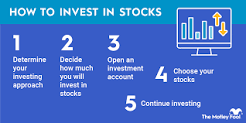
It’s not uncommon for someone who has never invested before to spend a week or even months determining what they want to buy for their first trade. But what’s often missed is an even more critical question: where you actually invest it.
The platform you use, the account type you select, and your broader investment ecosystem will influence costs, convenience, security, and long-term returns. Setting up with one of the best investing apps for beginners is a firm first step in moving you toward achieving financial goals. From saving for a house down payment to building significant long-term wealth, every financial goal starts with choosing the right place to invest.
Let’s uncover the 7 smartest factors to use when you decide where to invest your first dollars and continue investing.
5 Smart Factors to Consider When Choosing the Investing Apps
Your financial situation and needs should drive your decision about which investment vehicle to use to get your money working for you. These factors will help you pinpoint the right option for your lifestyle, risk tolerance, and personal financial goals:
- Define your Financial Goal Before you Open an Investment Account
What you want the invested money to do for you will guide all subsequent decisions and help you filter through the best investing apps for beginners for your needs.
Do you have a short-term goal, such as building an emergency fund, or are you saving for long-term goals like retirement? Make sure your app choice complements, rather than hinders, your objective.
- Look for a Platform that Fits Your Investing Style
Many of the best investing apps for beginners are simple, straightforward, and user-friendly, avoiding overwhelming jargon and features.
For investors who are tech-savvy and prefer to do everything on their phones, look for mobile-first investment apps that offer clear menus and easy navigation. Educational content on the platform is also a major plus, helping investors build their knowledge while they invest.
- Check the Costs Before you Commit
Regardless of how much or little money you’re investing, every investing platform will have some costs, from annual fees and transaction charges to inactivity and wire transfer fees.
The key to choosing from some of the best investing apps for beginners is to meticulously read the fine print and compare the fee schedules. This is to find the ones with the lowest total costs, particularly for long-term investments, as the impact of fees can add up significantly.
- Prioritise Security, Regulation, and Trust
Your investment dollars deserve the highest level of protection. Choose a platform that is regulated by government financial bodies to ensure your money and personal information are kept safe and secure.
Also, look for security features, such as multi-factor authentication and encryption, and research the platform’s reputation and customer support record before making a deposit.
- Make Sure it Gives you Investment Flexibility
Many of the best investing apps for beginners offer the ability to diversify your portfolio without being overwhelmed by choice. Look for platforms that allow you to begin investing with small amounts of money rather than large sums.
This helps in automating contributions for a hands-off approach or offers multiple investment vehicles within a single account. The flexibility will allow you to grow your investments over time as your needs change.
Choose a Platform that can Grow With You
By selecting an investment app that can accommodate your future needs, you’ll save time and hassle by avoiding the need to switch platforms later. Build your investment journey on the right foundation.
Investing is a marathon, not a sprint. Taking the time to choose where you invest can set you up for success, just as choosing what you invest in can. By weighing the right factors for the best investing apps for beginners, you can make a confident decision that sets you up to achieve your financial goals.
