

Not every business owner has property or machinery sitting around to pledge as collateral. And honestly, why should that stop someone from getting funded? This is where an unsecured business loan comes in, letting you borrow without putting any asset on the line. If you’ve been wondering whether this route actually makes sense for your business, this guide breaks down the types, the benefits, and everything else worth knowing.
What Exactly Is an Unsecured Business Loan?
An unsecured business loan is financing based on how your business is doing financially, not on what you’re willing to hand over as collateral. You don’t need to pledge any property or asset. Lenders instead dig into your revenue, credit score, and bank statements to figure out if you’re a safe bet.
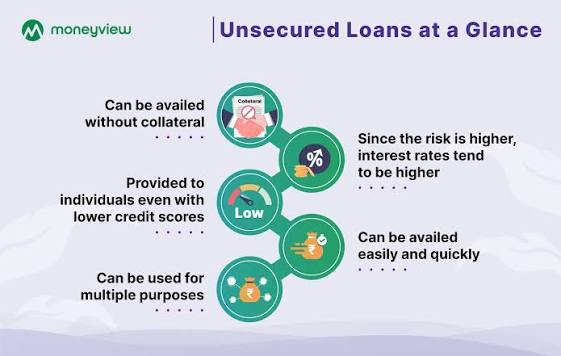
That lack of collateral shifts more risk onto the lender’s side. Which is basically why unsecured business loan interest rates tend to run a bit higher than secured loans.
What Are the Common Types of Unsecured Business Loans?
There isn’t just one flavor of unsecured business loan. Depending on what you need, a few variations exist:
Term loans — A set amount, borrowed and paid back over a fixed timeline. Pretty standard for general business needs.- Line of credit — A flexible pool of funds. Draw what you need, and pay interest only on that portion.
- Invoice financing — An advance loan against invoices your customers haven’t paid yet. Great if you’re stuck waiting on a long payment cycle.
- Merchant cash advance — Repayment comes out of a cut of your daily card sales. You’ll see this a lot in retail and restaurants.
- MSME-focused unsecured loans — Basically an unsecured business loan for MSME businesses, often backed by government credit guarantee schemes.
None of these is objectively “the best”. It really comes down to which one matches your cash flow situation.
Why Do Startups Prefer Unsecured Business Loans for Startups?
Early on, most new businesses just don’t have much to pledge; no property, no heavy equipment, nothing substantial. That’s the whole reason unsecured business loans for startups have caught on the way they have. Skip the collateral requirement, and founders don’t have to gamble personal assets just to get things moving.
A few things pulling startups this direction:
Approvals move faster since there’s no asset valuation to slow things down- Lower barrier to entry, even if you don’t have years of credit history behind you
- Funds aren’t locked to one purpose. You can use them for hiring, marketing, inventory purchase, or whatever’s needed
How Does an Unsecured Business Loan for MSME Work?
An unsecured business loan for MSME businesses works a bit differently. Some government-backed credit guarantee schemes like CGTMS step in and guarantee a chunk of the loan on the lender’s behalf. So, lenders provide MSMS business loans without collateral from you.
Because of that, MSMEs registered under Udyam typically land:
Collateral-free loans, up to a certain cap- Interest rates that beat a standard unsecured loan
- Documentation that’s a lot lighter, especially through digital platforms
- Quicker processing, since eligibility often leans on GST data and turnover figures
What Determines Unsecured Business Loans Interest Rates?
Interest rates on unsecured business loans aren’t some fixed number stamped across the board. A handful of things play into it:
Your credit score and how consistent your repayment history’s been- Annual turnover and how profitable the business actually is
- How long you’ve been running. Older businesses usually score better rates
- Who you’re borrowing from. NBFCs and digital lenders often price things differently than traditional banks
- The loan amount and repayment tenure you’re asking for
With no collateral cushioning things for the lender, rates naturally sit a notch higher than secured loans. Still, shopping around before you commit can genuinely save you a decent chunk over the life of the loan.
Are Unsecured Small Business Loans Easy to Qualify For?
Depends on your financial standing, honestly. But broadly speaking, unsecured small business loans have gotten a lot more accessible in recent years. Digital lenders now pull from alternate data, like bank transactions, GST filings, and even UPI activity, to judge creditworthiness. That’s a real win for businesses that don’t have a long credit paper trail.
Lenders will still be checking a few boxes, though:
Minimum turnover requirements- Credit score, generally north of 650-700
- Business age, usually at least 1-2 years in operation
- Whatever existing debt you’re already carrying
Tick these off, and you’re in reasonably good shape for approval. You don’t need to pledge any assets.
What Are the Real Benefits of Choosing an Unsecured Business Loan?
Beyond just not having to put up collateral, there’s a real practical upside here:
Your personal or business assets stay untouched, even if repayment gets tough.- Money lands faster, since there’s no property valuation or legal collateral checks slowing things down.
- Paperwork’s lighter compared to secured loans.
- Funds aren’t tied to any specific purchase. You can spend where the business actually needs it.
The trade-off is the interest rate and sometimes a smaller loan ceiling than you’d get with collateral backing it. But for a lot of small businesses and startups, that trade-off’s worth it; speed and simplicity tend to win out.
Final Thoughts
An unsecured business loan genuinely opens doors for businesses that don’t have assets to pledge, whether that’s a startup finding its feet or an MSME looking for quick working capital. Understanding the types available, knowing what drives unsecured business loan interest rates, and checking if you qualify for unsecured small business loans puts you in a much better position before you even start applying. Compare a few lenders, read the terms carefully, and pick what actually matches your business’s needs, not just what looks easiest to get.
