

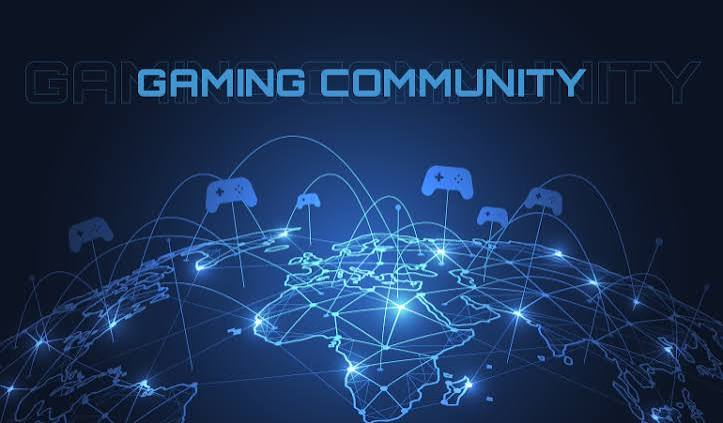
Entertainment has changed dramatically over the past few decades. What once meant gathering around a television, visiting an arcade, or playing a board game with friends has expanded into a connected digital experience. Today, millions of people can enter virtual worlds, compete with strangers, or team up with friends from almost anywhere. The rise of the deal88 alternatif has played a major role in this transformation, turning gaming into a social, interactive, and constantly evolving form of entertainment.
The Early Days of Online Game Entertainment
The story began long before smartphones and high-speed internet became common. Early computer games were mostly single-player experiences. Players competed against the computer or challenged friends sitting beside them. Then internet connections opened a new door.
Suddenly, games could connect people who lived miles apart. A player in one city could compete against someone in another country. It was a simple idea, but it changed everything.
Early multiplayer titles were not always visually impressive. Connection speeds were slow, graphics were limited, and players sometimes had to wait patiently for a game to load. Yet the excitement was undeniable. For the first time, digital entertainment could feel genuinely connected.
How the Online Game Became More Social
One of the biggest changes has been the social side of gaming. Modern players are rarely alone, even when sitting in their bedrooms.
Think about a teenager finishing homework and joining friends for a quick evening match. Within minutes, they may be talking through voice chat, planning strategies, laughing at mistakes, and celebrating a close victory. The game becomes more than a screen. It becomes a meeting place.
This social element has helped gaming attract people who might not have considered themselves traditional gamers. Friends can stay connected despite living in different cities or countries. Families can also find simple games that encourage shared experiences.
Why simply watch entertainment when you can participate in it?
Smartphones Changed the Online Game Landscape
The smartphone created another major turning point. Gaming no longer required an expensive computer or dedicated console. A device already sitting in someone’s pocket could provide instant entertainment.
Mobile games made short gaming sessions possible. Someone waiting for a bus could play for ten minutes. A person taking a break at work could complete a challenge. During a long journey, a phone could provide hours of entertainment.
This convenience helped gaming reach a much broader audience. Casual players, older adults, and people who had never owned a gaming console could easily discover digital games.
At the same time, developers began designing experiences specifically for mobile users. Touch controls, shorter rounds, daily challenges, and simple interfaces made games easier to pick up and enjoy.
Better Technology, Bigger Experiences
Technology has continued pushing gaming forward. Faster internet connections allow smoother multiplayer experiences. Better processors support detailed graphics. Cloud technology has also made it possible to access demanding games across different devices.
Modern virtual worlds can feel surprisingly alive. Players may explore enormous maps, customize characters, build digital homes, trade items, or compete in tournaments. Some games continue developing for years rather than ending after a player completes the main story.
Consider a player who starts a game on a weekend. Months later, that same person may still be returning because new characters, events, challenges, and updates keep the experience fresh.
That sense of constant discovery is one reason digital gaming remains so compelling.
The Rise of Competitive Gaming
Another important development is competitive gaming. What began as friendly competition has grown into organized tournaments watched by large audiences.
Skilled players can now build careers around competitive gaming, streaming, coaching, or content creation. Online communities follow favorite teams and personalities much like traditional sports fans follow athletes.
This shift has changed the perception of gaming. It is no longer viewed only as a private hobby. For many people, it has become part of a larger entertainment culture.
Personalization Keeps Players Engaged
Modern games also understand that every player is different. Custom characters, adjustable settings, different difficulty levels, and personalized challenges allow people to create experiences that suit their preferences.
A competitive player might want intense matches. Another person may prefer exploration and storytelling. Someone else might simply enjoy solving puzzles after a long day.
That flexibility matters. Entertainment becomes more enjoyable when people feel that an experience belongs to them.
What Comes Next?
The future of gaming is difficult to predict, but one thing seems certain: change will continue.
Virtual reality may create more immersive environments. Cloud-based platforms could make high-quality gaming easier to access. Artificially generated environments, smarter characters, and more interactive worlds may also reshape how players experience digital entertainment.
Yet technology alone will not determine the future. The strongest games will still depend on something much simpler: fun.
People play because they want deal88id.app to escape routine, challenge themselves, connect with others, or experience a memorable story. Those motivations have existed for generations.
Final Thoughts
The journey from basic multiplayer experiments to today’s connected digital worlds has been remarkable. Gaming has become faster, more social, more accessible, and more personal. It can bring distant friends together, introduce players to new communities, and provide an enjoyable escape from everyday routines.
The next chapter may bring technologies we cannot yet imagine. But the heart of gaming will remain familiar: curiosity, competition, friendship, and the simple excitement of pressing play.
If you have not explored today’s gaming world recently, it may be worth discovering what has changed. Your next favorite digital adventure could be only a few clicks away.
