

You can feel when trust is thin. Investors ask for more detail. Lenders want cleaner numbers. Board members read between the lines. Employees hear one message internally, and another in public filings, and the gap starts to matter. When that happens, accounting stops being a back-office task and becomes part of every high-stakes conversation, especially when working with a tax consultant in Portland, OR.
The role of accountants in investor and stakeholder relations is simple to state and hard to do well. They turn financial activity into information people can trust, compare, and act on. That affects funding, reputation, governance, and the tone of your relationships with everyone who has a stake in the business. If your reporting is clear, timely, and grounded in sound judgment, confidence tends to hold. If it is late, vague, or inconsistent, people notice fast.
Accountants shape confidence in investor relations and stakeholder communication
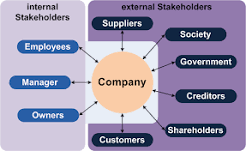
Investors do not only react to revenue and profit. They react to credibility. They want numbers that tie out, disclosures that explain the story behind the numbers, and reporting that does not shift tone every quarter. Stakeholders want similar things, even if their focus is different. A lender watches debt covenants. A supplier watches liquidity. Employees watch stability. Regulators watch whether your judgments and disclosures hold up under scrutiny.
That is where accountants carry more weight than many businesses expect. They do not just record transactions. They help management explain performance, risks, assumptions, internal controls, and changes in accounting treatment. Strong investor relations accounting support makes it easier to answer hard questions before those questions turn into doubt.
You see this most clearly when a company grows quickly or hits a rough patch. Maybe margins tighten and management wants to reassure investors. Maybe a new contract changes revenue recognition. Maybe an acquisition creates valuation issues, impairment testing, or purchase price allocation questions. People outside the business often assume the numbers speak for themselves. They do not. Numbers need context, and that context has to be accurate.
The SEC has made that expectation plain in its letter from the Chief Accountant on audit risk. Oversight bodies are focused on areas where judgment, pressure, and weak controls can distort reporting. The broader body of SEC staff guidance shows the same pattern. Clear accounting is not a public relations tool. It is part of market integrity.
Financial reporting affects every stakeholder relationship
When reporting is weak, the damage spreads farther than the investor deck. A bank may shorten its patience. A buyer may question your forecasts during due diligence. A minority shareholder may suspect management is hiding bad news. Even if nothing improper happened, confusion creates its own cost.
That is why stakeholder relations through accounting matters so much. Good accountants reduce noise. They make sure disclosures line up with operations, budgets, contracts, and board reporting. They flag inconsistencies early. They ask the questions nobody wants to hear in the moment, because those questions are cheaper inside the building than outside it.
Standard setters and investor groups have pushed for this kind of useful reporting for years. The FASB Investor Outreach Report reflects a steady demand for decision-useful information, especially in areas where estimates and non-GAAP measures can cloud reality. The IFRS Investor Centre makes the same point from a global angle. Investors need reporting that supports comparison, discipline, and trust.
Business accounting and consulting helps management answer harder questions
There is a practical side to this that many leaders learn under pressure. Once outside parties lose confidence, every answer needs backup. Why did gross margin change so sharply? Why did receivables rise faster than sales? Why is adjusted earnings moving one way while cash flow moves another? Why was a prior estimate revised? These are accounting questions, but they quickly become leadership questions.
Strong business accounting and consulting closes that gap. It connects finance, operations, legal, and communications so the business presents one coherent picture. It also helps management avoid the common mistake of treating reporting as a compliance exercise only. Compliance is the floor. Stakeholder confidence is built above that floor, through consistency, transparency, and disciplined judgment.
Weak accounting support creates avoidable investor relations risk
Some businesses try to manage investor and stakeholder communication with partial data, rushed close processes, or scattered spreadsheets. That can work for a while, right up until a financing round, audit issue, covenant test, or board conflict exposes the cracks. Then every missing reconciliation and every vague memo becomes urgent.
| APPROACH | COMMON RESULT | IMPACT ON INVESTOR AND STAKEHOLDER RELATIONS |
| Basic internal bookkeeping only | Numbers are recorded, but analysis and disclosure support are thin | More follow-up questions, slower responses, lower confidence |
| Reactive outside help during deadlines | Short-term fixes, limited continuity, uneven documentation | Stakeholders may see inconsistency and feel risk is being managed late |
| Ongoing accounting and consulting support | Stronger close process, clearer disclosures, better issue spotting | Faster answers, steadier messaging, stronger trust over time |
The difference is rarely just technical skill. It is readiness. When accountants are involved early, they can test assumptions, improve controls, and prepare management for the questions that matter. That is the quieter side of accounting services, and it is often the part that protects value best.
Three steps that strengthen accountant-led investor and stakeholder relations
Map your highest risk reporting areas. Start with revenue recognition, cash flow, debt compliance, estimates, and any non-GAAP metrics you use externally. If one of these areas would take too long to explain or defend, that is where your next problem is likely to start.
Align internal and external reporting. Your board pack, management reports, lender reporting, and investor communications should not tell four different stories. Differences in format are normal. Differences in meaning are dangerous. Ask your accounting team to trace the same core figures through each audience-facing report.
Document judgment before pressure hits. When estimates, reserves, impairment reviews, or policy choices are involved, write down the basis while the facts are fresh. That record helps auditors, management, and stakeholders understand that decisions were reasoned, not improvised after the fact.
Trust grows when the numbers hold up
You do not need perfect conditions to improve investor and stakeholder confidence. You need reporting that is disciplined, clear, and consistent enough to stand up when people look closely. That is the real role of accountants in these relationships. They help your business say what is true, support it with evidence, and keep trust from eroding when pressure rises.
If your reporting process feels strained or your messaging keeps getting harder to defend, business accounting and consulting can help you rebuild clarity before doubt spreads.
