

You may have put off a dental visit because you remember the sound of older tools, the numb feeling that lasted half the day, or the simple stress of not knowing whether a small problem would turn into a big one. That reaction is common. Dental care used to feel more reactive, more uncomfortable, and less personal than most people wanted. If you are looking for a dentist in Chelsea NYC, today’s approach can feel far more comfortable and reassuring.
That is exactly why modern care matters. How General Dentistry Improves Comfort Through Modern Innovations comes down to a simple shift. Today’s general dentist can often spot issues earlier, plan treatment with more precision, and use materials and tools designed to make care easier on your mouth and your nerves. The result is not magic. It is better diagnostics, better technology, and a better patient experience from start to finish.
Modern general dentistry reduces stress before treatment even starts
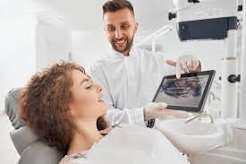
Comfort is not only about what happens in the chair. It starts with clarity. When you do not know what the dentist sees or why a procedure is needed, anxiety rises fast. Digital imaging has changed that. Instead of waiting through a vague explanation, you can often see detailed images on a screen and understand what is happening with your teeth and gums in real time.
This matters because uncertainty tends to make pain feel worse. A tiny crack can sound frightening when it is described in abstract terms. It feels more manageable when your dentist shows you the exact spot, explains your options, and catches it before it becomes a root canal or extraction. Research from the National Institute of Dental and Craniofacial Research highlights how data science and digital dentistry can improve dental care, especially through better planning and more informed decisions.
That is one reason modern dental care feels different from what many people remember. It is more visual, more precise, and often less rushed.
Better tools help a general dentist treat small problems before they become painful
A lot of dental discomfort comes from delay. A minor cavity does not stay minor forever. Mild gum irritation can turn into bleeding, tenderness, and deeper periodontal problems. When care is more accurate, treatment often stays smaller. Smaller treatment usually means less drilling, less time in the chair, and less recovery afterward.
Digital scans are part of that change. They can replace messy impressions in many cases, which is a relief if you gag easily or dislike the feeling of impression material in your mouth. Laser assisted techniques in some offices can also reduce irritation during certain soft tissue procedures. Improved local anesthetic delivery systems help make numbing more controlled, which can mean a gentler experience for patients who already arrive tense.
Materials have improved too. Dental restorations are stronger, more natural looking, and more biocompatible than older options. The NIDCR explains ongoing advances in dental materials research, including work focused on durability, safety, and function. For you, that can mean a filling or crown that fits better, lasts longer, and feels less like a foreign object in your mouth.
Comfort in general dental services comes from precision, materials, and timing
People often think comfort means “no pain.” That is part of it, but comfort also means shorter appointments when possible, fewer surprises, and treatment that preserves more of your natural tooth. Precision supports all three. If your dentist can diagnose more clearly and work more accurately, there is less guesswork and less unnecessary intervention.
Think about two common scenarios. In one, a patient ignores sensitivity until chewing becomes painful, then needs a larger restoration or more advanced treatment. In the other, a patient comes in when the problem is still small, digital imaging confirms the issue, and the tooth gets a conservative repair. Same tooth, different timing, very different experience.
The science behind devices and biomaterials keeps pushing this forward. The NIDCR’s biomaterials, devices, and clinical technologies program supports the kind of progress that leads to more comfortable and effective care in everyday dental offices.
Older dental approaches and modern innovations create very different patient experiences
| AREA OF CARE | OLDER APPROACH | MODERN APPROACH | COMFORT IMPACT |
| Diagnosis | Limited imaging and delayed detection | Digital imaging and earlier identification | Smaller problems can be treated sooner |
| Impressions | Traditional trays and putty material | Digital scans in many cases | Less gagging and less mess |
| Restorative materials | More noticeable or less durable materials | Improved tooth colored and durable materials | Better fit, feel, and appearance |
| Treatment planning | Less visual explanation for patients | On screen images and clearer planning | Less uncertainty and less anxiety |
| Intervention timing | Problems often addressed later | Earlier preventive and conservative care | Less invasive treatment in many cases |
General dentistry innovations do not remove every discomfort, and no ethical dentist should promise that. They do make care more manageable, more predictable, and often far easier than people expect when they walk through the door with old fears.
Simple steps can help you get more comfortable dental care right away
Ask what technology is used in the office. You do not need to speak in technical terms. Ask whether the practice uses digital X rays, intraoral cameras, digital scans, or newer restorative materials. Those details can tell you a lot about how the office approaches comfort and precision.
Do not wait for pain to become severe. If something feels off, even mild sensitivity or occasional bleeding, schedule a visit early. Earlier care often gives you more options and leads to simpler treatment.
Tell the dentist what makes you nervous. Say if you hate impressions, fear injections, have a strong gag reflex, or have avoided care for years. A good general dentist can adjust the approach when they understand the real source of your stress.
If you have been carrying old dental memories into every new appointment, you are not overreacting. You are responding to experiences that felt uncomfortable and hard to trust. Modern dentistry has changed in ways that are practical and meaningful. Better imaging, improved materials, and more precise tools help make routine care calmer and less invasive. When you are ready, schedule a visit with a general dentist and ask how today’s innovations can make your care more comfortable.
