

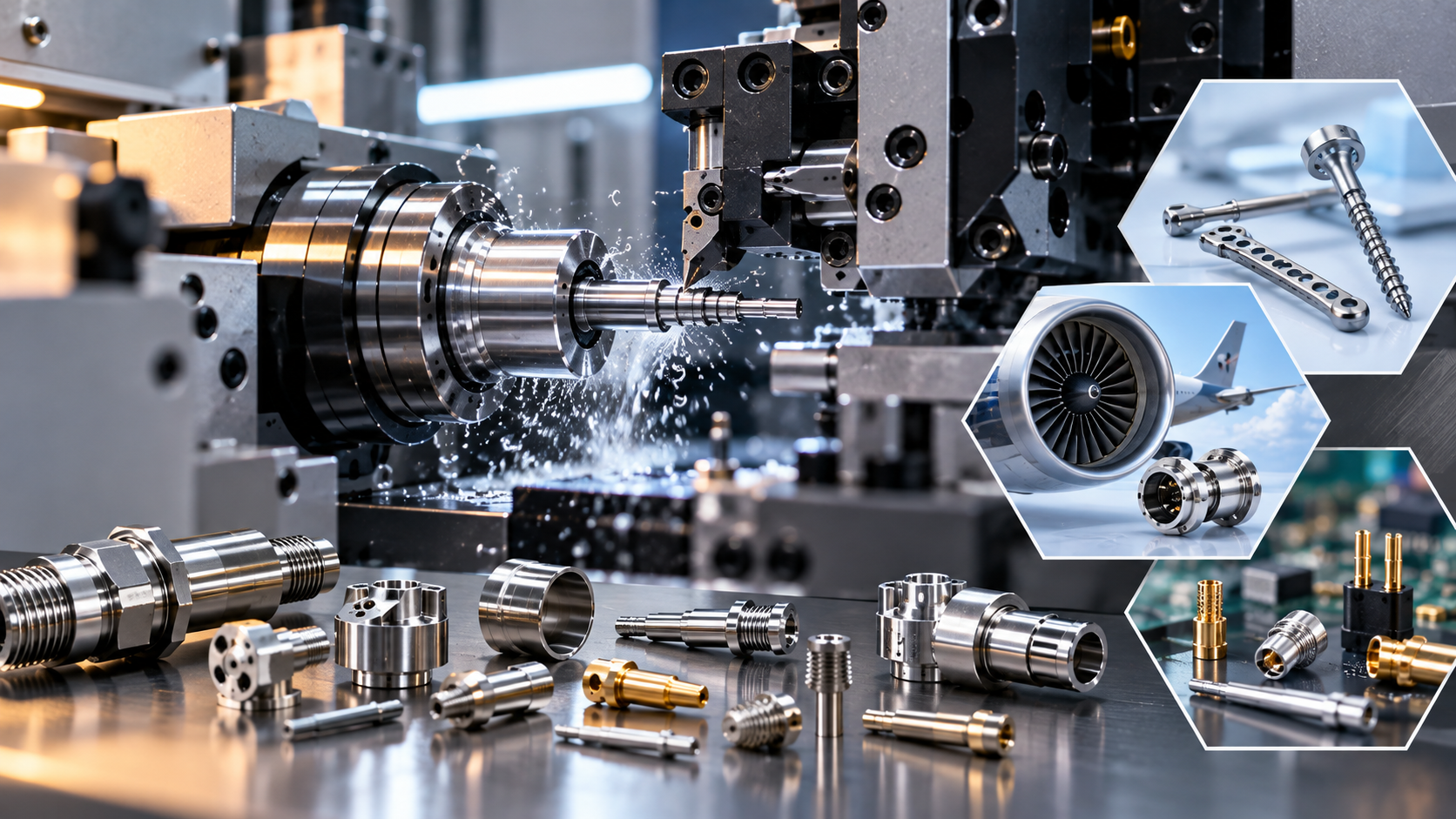
Modern manufacturing is defined by a relentless push toward smaller components, tighter tolerances, and higher production volumes. Industries from medical devices to aerospace and electronics are designing products that demand levels of precision that conventional machining methods struggle to deliver consistently. At the center of this shift lies a technology that originated in 19th-century Swiss watchmaking but has become indispensable to 21st-century manufacturing: Swiss-type machining.
The global precision turned product manufacturing market grew from approximately USD 108.6 billion in 2025 to USD 115.4 billion in 2026, reflecting sustained demand for high-tolerance components across multiple sectors. Within this market, Swiss machining occupies a unique position, enabling the production of parts that would otherwise be impossible to manufacture reliably at scale.
What Makes Swiss Machining Different
The defining characteristic of Swiss machining is the guide bushing. Unlike conventional CNC lathes, where the workpiece extends unsupported from the chuck, Swiss machines feed bar stock through a guide bushing positioned immediately next to the cutting tool. This design keeps the workpiece rigid throughout the cut, eliminating the deflection and vibration that plague traditional turning operations.
The results are measurable. Swiss machines can hold tolerances down to ±0.005 mm on diameters and true positions along the entire length of a part. They can machine components with length-to-diameter ratios exceeding 20:1 without chatter or taper. And they can produce parts as small as 0.5 mm in diameter with features measured in microns.
These capabilities are not merely technical achievements. They are the foundation for entire product categories that modern industries depend on. Medical bone screws, aerospace fuel system fittings, miniature electronic connectors, and precision hydraulic components all rely on Swiss machining for their performance and reliability.
The Industries Driving Demand
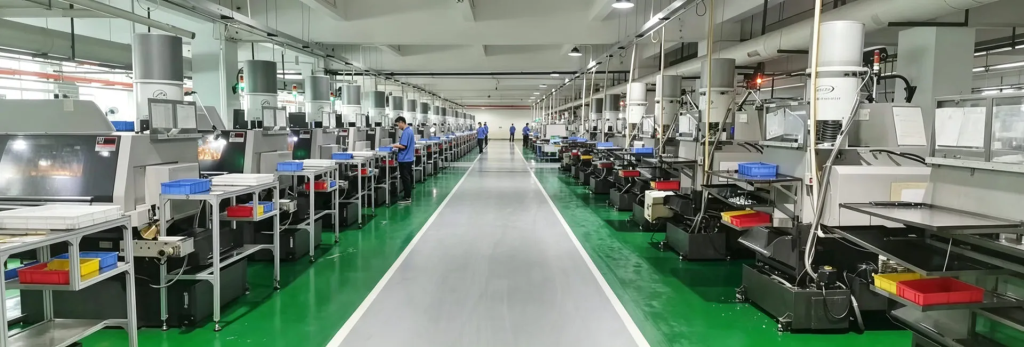
Medical device manufacturing represents one of the most significant growth areas for Swiss machining. The micro-components segment, defined as parts under 5 mm in diameter, is expected to grow at 6 to 8 percent annually as miniaturization trends in medical devices, electronics, and watchmaking intensify. Minimally invasive surgical instruments, orthopedic implants, and drug-delivery devices all demand components with surface finishes measured in micrometers and tolerances that ensure proper function within the human body.
Falcon CNC Swiss has built its operations around this demand, providing Swiss machining services that support medical device manufacturers with the precision and repeatability they require. The company’s capabilities extend to titanium and stainless steel components for surgical instruments, implantable devices, and diagnostic equipment.
Aerospace manufacturing presents a different set of demands. Fuel system components, sensor housings, and hydraulic fittings must withstand extreme temperature variations, vibration, and pressure differentials over decades of service. Swiss machining delivers the dimensional stability and surface integrity these applications require, along with the full material traceability that aerospace suppliers must provide.
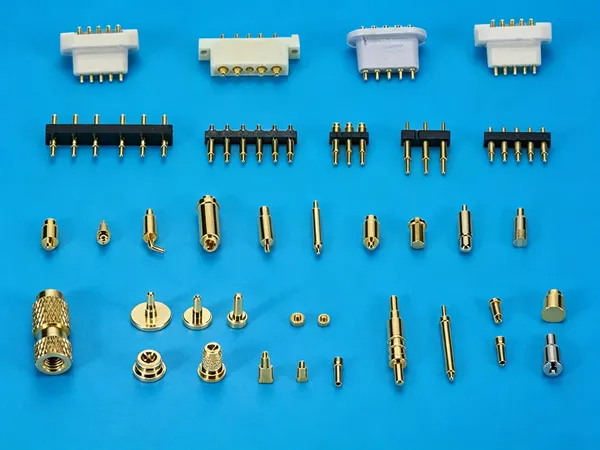
The electronics and semiconductor sectors are also driving growth. Miniature connectors, contact pins, and precision sensor components must be produced in high volumes with consistent quality. Swiss machines, with their automated bar feeders and multi-axis capability, are ideally suited to this production environment.
The Technology Behind the Precision
Modern Swiss machining centers have evolved far beyond their mechanical origins. Today’s machines integrate turning, milling, drilling, and threading in a single setup—often on machines with five to nine axes. This “done-in-one” approach eliminates the handling errors and tolerance stack-ups that occur when parts move between multiple machines.
Live tooling enables cross-drilling, milling, and slotting operations to be performed while the part remains in the machine. Sub-spindles pick up the workpiece after the front side is complete, allowing back-side operations to proceed without losing datum. The result is a fully finished component that comes off the machine ready for inspection and shipment.
Automation has extended these capabilities further. Automated bar feeders enable lights-out operation, with machines running unattended for extended periods. In-process probing verifies dimensions between cycles, allowing the machine to compensate for tool wear automatically. These technologies reduce labor costs, improve consistency, and increase throughput—critical advantages in an industry facing persistent shortages of skilled machinists.
The Material Challenge
Swiss machining’s capabilities are tested most severely by the materials it must process. Stainless steel, aluminum, titanium, and high-temperature superalloys each present distinct challenges. Stainless steel work-hardens rapidly if cutting parameters are not precisely optimized. Titanium’s poor thermal conductivity concentrates heat at the tool edge, accelerating wear. Aluminum demands high-speed cutting with careful chip management.
Suppliers that have developed documented process libraries across multiple material families deliver more consistent results than those still learning on customer orders. Falcon CNC Swiss has built its reputation on this kind of material expertise, producing Swiss machined components in a wide range of alloys for demanding applications. Their quality systems—including in-process inspection, statistical process control, and full material traceability—provide the audit trail that regulated industries require.
The Path Forward
The precision manufacturing sector continues to evolve. In-process measurement, artificial intelligence-driven quality control, and digital twin manufacturing technologies are being adopted by leading suppliers, enabling higher levels of consistency and predictability. The trend is clear: the shops that thrive will be those that combine advanced equipment, documented processes, and skilled workforces.
For manufacturers developing innovative products—whether a next-generation medical implant, a lighter aerospace component, or a more efficient electronic device—the availability of reliable precision machining partners is a strategic asset. The companies that secure these partnerships early will be better equipped to navigate product complexity, manage supply chain uncertainty, and bring their innovations to market.
