

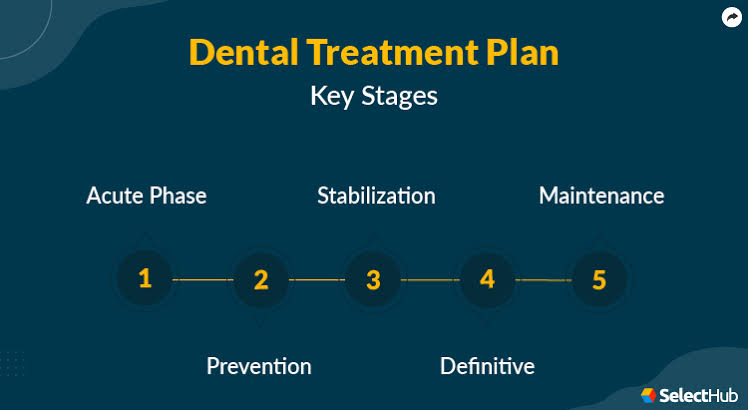
You may have started with one concern, a chipped tooth, stains that no longer lift, a smile that feels uneven in photos, and then found out the fix is not one simple appointment. That can feel discouraging fast. Cosmetic dentistry often sounds straightforward until your dentist points out bite issues, gum health, worn enamel, or older dental work that needs attention first. Suddenly, the plan is bigger than you expected, and so is the cost. That is why many people turn to family and cosmetic dental care in Markham to address both appearance and underlying oral health needs in a coordinated way.
That is often where a phased approach makes sense. Instead of doing every cosmetic and restorative step at once, treatment is broken into stages that protect your oral health, spread out costs, and give your mouth time to adjust. For many people, a staged smile makeover is not a compromise. It is the safer, more realistic path.
A phased cosmetic dental treatment plan protects function before appearance
Cosmetic changes look better and last longer when the foundation is stable. If you have gum inflammation, untreated decay, grinding, or an uneven bite, placing veneers or whitening teeth first may lead to disappointment. The result can look good for a short time, then fail because the underlying problem was never handled.
This is one of the clearest signs that a phased dental cosmetic treatment plan may be the better choice. A dentist may recommend starting with cleanings, fillings, gum care, or a night guard before moving into bonding, crowns, whitening, or veneers. That sequence is not a delay for the sake of delay. It lowers the risk of spending money on cosmetic work that has to be repaired or replaced too soon.
General and cosmetic dentist care often overlaps more than people expect. A bright smile means less if chewing hurts or a cracked filling is getting worse under the surface.
Budget pressure is often a real reason to choose treatment in stages
Many people want to improve their smile but cannot or do not want to pay for everything at once. That is not a lack of commitment. It is normal. A staged treatment plan can help you deal with the most urgent needs first, then move toward cosmetic goals over time.
You might fix a broken front tooth now, treat gum issues next, whiten later, and replace older visible restorations after that. The end result can still be cohesive because the plan is designed from the start, even if the work happens over months or longer.
This kind of staged smile makeover also gives you room to make informed choices. Some patients begin thinking they need veneers on many teeth, then realize after whitening and minor bonding that they already feel much better about their smile. Phasing creates space for that kind of course correction.
Your mouth may need time to heal and respond between procedures
Some cosmetic goals depend on how your teeth and gums respond after earlier treatment. If gum contouring, orthodontic movement, implants, or bite adjustments are involved, the final cosmetic step often needs to wait until tissues settle. Rushing can lead to restorations that no longer fit the way they should once healing is complete.
You see this with patients who want crowns or veneers right away after straightening, or whitening before replacing older crowns that will not lighten with bleach. A good plan respects timing. It does not force the final look before your mouth is ready for it.
Basic daily care matters here too. The CDC offers practical oral health tips for adults that support long term results, and MedlinePlus provides a helpful overview of dental health if you are trying to understand the bigger picture before committing to treatment.
Uncertainty about the final look is a strong reason to phase cosmetic dentistry
Sometimes the issue is not health or money. It is confidence. You may not be fully sure how white you want your teeth, how much shape change feels natural, or whether you want a subtle improvement or a bigger transformation. That hesitation is useful. It means you want to get it right.
A phased cosmetic dentistry plan lets you test changes in a lower pressure way. Whitening, edge bonding, or replacing one visible restoration can show you how much change feels right before you commit to more permanent work. This is especially helpful if you have lived with the same smile for years and worry about looking too different too fast.
Complex cases usually benefit from a staged smile plan
If you have worn teeth, old crowns, missing teeth, gum recession, or jaw discomfort, your case may involve both health and cosmetic goals. These are not one step situations. They need sequencing. One phase may stabilize pain or damage. Another may rebuild function. The last phase may refine color, shape, and symmetry.
That is often the difference between a plan that looks efficient on paper and one that works in real life. Cosmetic results depend on stable structure. A phased cosmetic dentistry plan gives each part of treatment a clear job instead of asking one procedure to solve everything.
Side by side differences between phased and all at once treatment
| Consideration | Phased Treatment Plan | All at Once Treatment |
| Cost timing | Spread over time, often easier to manage | Larger upfront expense |
| Health issues | Allows decay, gum disease, and bite problems to be treated first | May pressure cosmetic work to move ahead too soon |
| Healing and adjustment | Gives tissues and bite time to settle between steps | Less time to assess how earlier procedures affect the final result |
| Decision flexibility | You can refine goals as treatment progresses | Requires bigger decisions early |
| Best fit | Complex cases, budget concerns, uncertain cosmetic goals | Simple cases with stable oral health and clear goals |
Clear next steps can make the process feel less overwhelming
Ask for a sequenced treatment roadmap. You need more than a list of procedures. Ask what must happen first, what can wait, and what risks come with changing the order. A good roadmap shows which steps protect health and which steps improve appearance.
Separate urgent needs from elective goals. If you are feeling overwhelmed by the full estimate, ask your dentist to divide the plan into essential treatment and cosmetic upgrades. That makes the decision easier and helps you move forward without losing sight of the final goal.
Review how each phase supports the next one. Whitening before replacing visible crowns, veneers before treating grinding, or cosmetic bonding over active decay can create avoidable problems. Ask how each stage affects the next so your investment holds up.
A slower plan can be the smarter plan
If your treatment keeps expanding every time you learn more, you are not failing to make a decision. You are seeing the reality of how smile design and oral health work together. For many patients, the best result does not come from doing everything fast. It comes from doing things in the right order, with a plan that respects your budget, your health, and how you want to feel when it is done.
If you are considering cosmetic changes, ask about a phased plan and whether it fits your goals. The right path is the one that gives you a smile that looks good, feels comfortable, and lasts.
