
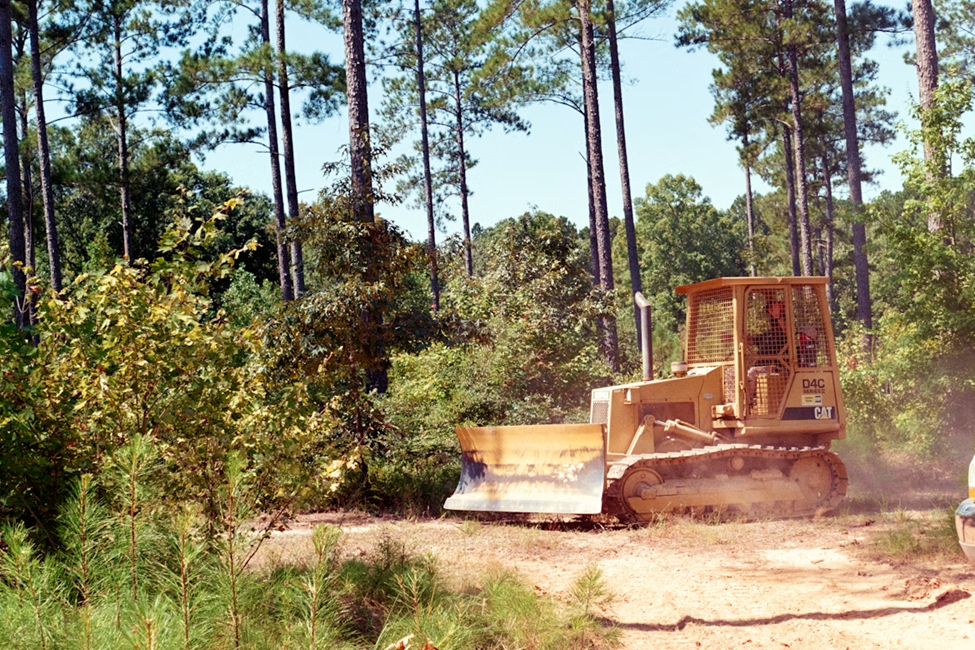
Let’s face it: traditional land clearing is basically the sledgehammer of landscaping – messy, exhausting, and not exactly gentle on Mother Nature. For ages, property owners and developers have relied on roaring bulldozers to plough down trees, followed by excavators making unsightly pyramids of debris ready for a bonfire or a bumper crop of hauling fees.
Sure, this approach removes your weeds and underbrush, but it also leaves your land looking like it lost a wrestling match with a monster truck – topsoil stripped and erosion ready to pounce. Luckily, times are changing! Professional forestry mulching operations are elbowing their way onto the scene, charming everyone with its sustainable, speedy, and wallet-friendly approach that saves the land – and your nerves!
The Efficiency of a One-Step Process
The true magic of forestry mulching? It’s the “one and done” superhero of land management. Forget the endless cycle of cut, stack, haul, and torch that could make anyone’s head spin (or wallet weep). Mulching is a solo act: a single machine armed with a rotary drum and steel chippers swoops in to chew up vegetation where it stands – cutting, grinding, and clearing all at once. What it leaves behind is not chaos, but a tidy carpet of mulch.
This elegant shortcut slashes the time needed to clear even a wild jungle of a property. There’s no endless waiting for brush piles to dry so you can play bonfire king, and there’s zero need to coordinate a parade of trucks to cart away debris. For those racing the clock – looking at you, commercial project managers and pasture-hungry farmers – this speediness means serious cost savings. Fewer machines mean less fuel and fewer hands on deck, which translates to happier budgets for projects large and small.
Environmental Benefits and Soil Health
But wait, there’s more! Forestry mulching isn’t just nice to your bank account; it’s also a sweetheart to the environment. Conventional bulldozing yanks trees out root and stem, treating soil structure like yesterday’s news and setting the stage for erosion drama. Uprooted topsoil doesn’t just recover overnight – plus, it has a bad habit of leaking into rivers and creeks, making a mess wherever it goes.
Mulching, on the other hand, keeps the soil’s dignity intact. By grinding vegetation right down to earth level, mulchers often leave the roots undisturbed for a bit – meaning the soil stays put. The mulch itself acts like a cosy blanket, protecting the ground from sunburn and helping it hold onto precious moisture. As this organic covering slowly breaks down, it donates nutrients back to the earth, giving native grasses and other desirable greenery the VIP treatment. It’s a game-changer for fighting erosion on slopes and riverbanks – places where bigger machines would cause nothing but trouble.
Versatility for Residential and Commercial Needs
You name the job, forestry mulching is ready to RSVP. Homeowners and rural dwellers use it as a secret weapon for bushfire defence, clearing underbrush and carving out firebreaks – all without stripping away those majestic canopy trees. That’s fewer fuel loads and a better shot at protecting your homestead when things heat up.
Farmers, meanwhile, harness the mulcher’s power to reclaim wild pastures, clean up fence lines, and keep those always-needed access roads open. It zaps invasive species while leaving land usable the instant the machine rolls away. Commercial developers love mulching for prepping sites, too – it leaves a satisfyingly neat finish, making it a breeze to survey the landscape and dream up new builds.
The Future of Sustainable Land Development
With environmental regulations tightening up faster than a new jar of pickles, and a growing chorus demanding eco-friendly solutions, forestry mulching is primed to take the crown as the gold standard for clearing land. It strikes the perfect balance between progress and preservation, letting us develop land without steam-rolling nature’s best work.
Turning pesky vegetation into a useful layer of mulch – not landfill fodder – forestry mulching is giving land management a clever makeover. The end result? A smarter, greener approach to working with the land, not against it!
