

You already know dental care matters. The hard part is fitting it into a real family budget, along with groceries, school costs, sports fees, and the surprise expenses that seem to show up every month. A lot of parents looking for a dentist near North Orange Grove Blvd end up making the same calculation over and over, deciding what can wait and hoping a small issue stays small. That stress is real, especially when you are trying to do right by everyone in the house.
The good news is that prevention usually costs far less than repair. A missed cleaning can turn into a filling. A small cavity can turn into a crown, a root canal, or a child waking up at night with pain. When families focus on a few lower cost services early, they often avoid the bigger bills and harder appointments later. That is why affordable preventive dental care for families deserves attention before a problem starts.
Routine exams and cleanings catch problems before they grow
Regular checkups are the backbone of family dentistry. They give your dentist a chance to spot early decay, gum irritation, grinding, and changes in bite or development. Professional cleanings remove plaque and tartar that brushing at home cannot fully handle, especially around the gumline and in crowded teeth.
This is one of those services people skip when money feels tight, yet it often saves the most. You might feel like everyone’s teeth look fine, so delaying a visit seems harmless. Then a child mentions sensitivity, or you notice bleeding gums, and the cost climbs fast. Preventive visits help stop that pattern before it starts.
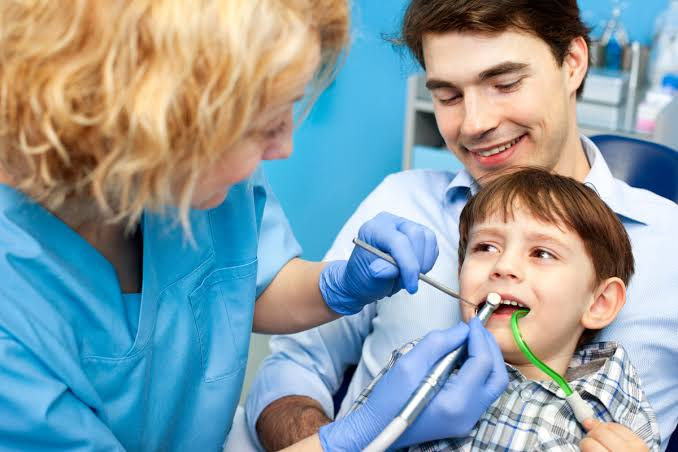
For families with kids, these visits also build comfort. A child who gets used to calm, routine appointments is less likely to fear the dentist later. That matters more than people think, because anxiety often leads to avoidance, and avoidance usually leads to bigger treatment plans.
Fluoride treatments strengthen teeth at a low cost
Fluoride helps protect enamel and lowers the risk of cavities. It is one of the simplest services a family dentist can offer, and it tends to be affordable. Children often benefit the most, though adults with dry mouth, gum recession, or frequent cavities may benefit too.
The science here is clear. According to the CDC, fluoride protects teeth and helps prevent tooth decay. That support matters when your family is juggling snacks, packed lunches, sports drinks, and all the sugar that slips into daily life even when you try to be careful.
Fluoride is not a substitute for brushing or flossing. It adds another layer of protection, which is exactly what prevention should do. Small support now can mean fewer fillings later.
Dental sealants protect children’s molars when brushing misses the grooves
Back teeth are where many childhood cavities begin. Molars have deep pits and grooves that hold food and bacteria, and even kids who brush well often miss those tight spaces. Sealants cover those surfaces and make them easier to keep clean.
This is one of the smartest low cost preventive services for school age children. The CDC explains that dental sealants can prevent many cavities in children’s molars. For a parent trying to avoid fillings, missed school time, and a scared child in the dental chair, that matters.
Sealants do not replace brushing, flossing, or checkups. They work best as part of a broader plan. Still, if your child is at the age when permanent molars are coming in, sealants are often worth asking about right away.
X rays and early screening reduce the chance of hidden dental costs
Some of the most expensive dental problems start where you cannot see them. Cavities between teeth, infections under old fillings, impacted teeth, and bone loss often stay hidden until they hurt. By then, treatment is more involved and more expensive.
Periodic X rays and screenings help your dentist see what is happening below the surface. Not every visit requires imaging, and a good dental office will recommend it based on age, risk, and history. That measured approach matters, because families need care that is sensible, not excessive.
Early screening also helps with orthodontic concerns, wisdom tooth issues, and gum disease. If a problem is developing, finding it early gives you more options and usually lower costs.
Periodontal care and home care coaching help the whole family keep teeth longer
People often think prevention is mostly about kids, but adults need it just as much. Gum disease can begin quietly with bleeding, tenderness, or bad breath, then progress to bone loss and loose teeth. Basic periodontal care, along with clear instruction on brushing and flossing technique, can make a real difference.
That is where budget friendly preventive dental services stand out. A short conversation about home care, the right toothbrush, or whether an electric brush would help can prevent months or years of trouble. If someone in your family has braces, crowded teeth, diabetes, dry mouth, or a history of gum issues, these small adjustments matter even more.
For reliable public health information on oral care and common dental concerns, MedlinePlus offers a helpful overview of dental health basics and prevention.
Comparing preventive dental services by cost and long term value
| Service | Who Benefits Most | Typical Goal | Why It Saves Money |
| Routine exam and cleaning | Children and adults | Find early problems and remove buildup | Helps avoid fillings, gum treatment, and emergency visits |
| Fluoride treatment | Children, cavity prone adults | Strengthen enamel | Lowers risk of decay before treatment is needed |
| Dental sealants | School age children | Protect molars from cavities | Can prevent decay in the teeth most likely to need fillings |
| X rays and screenings | Children and adults based on risk | Detect hidden issues early | Finds smaller problems before they become major procedures |
| Periodontal care and hygiene coaching | Adults, teens with braces, high risk patients | Protect gums and improve daily care | Reduces risk of advanced gum disease and tooth loss |
Three steps families can take right away
1. Book preventive visits before anyone has pain. Waiting for symptoms usually means the problem has already grown. Schedule cleanings and exams for the whole family, even if you need to spread appointments out over a few weeks.
2. Ask which services give your family the best value first. A child may need sealants more than anything else. An adult with sensitive teeth may benefit most from fluoride and gum care. Prioritize based on risk, not guesswork.
3. Review your home routine with the dentist. The right brush, fluoride toothpaste, flossing method, and snack habits can change a lot. This is one of the easiest ways to improve oral health without adding much cost.
Prevention is rarely flashy, but it works. When families focus on regular checkups, fluoride, sealants, early screening, and gum care, they give themselves a better shot at fewer cavities, fewer emergencies, and lower dental bills over time. If you have been putting off care because the budget feels tight, start with the basics and build from there. A trusted family dentist can help you choose the services that protect the most and cost the least in the long run.
