

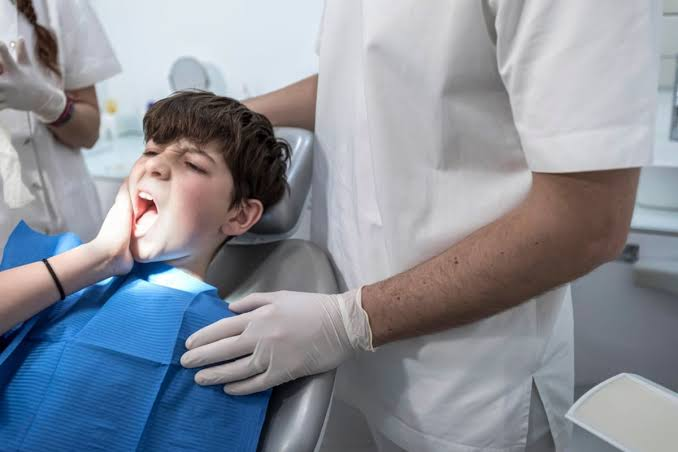
You usually do not think about the dentist when everything feels fine. Then a tooth starts throbbing at night, your face swells, or a filling breaks right before work, and suddenly dental care becomes the only thing you can think about. That is how it happens for a lot of people. Life gets busy, money feels tight, and a routine checkup keeps slipping down the list until pain moves it to the top. Finding a Family dentist in Calmar can make it easier to stay ahead of those problems before they become urgent.
The hard truth is simple. Preventive dental care is almost always easier than emergency treatment. It is easier on your schedule, easier on your body, and usually easier on your wallet. Regular visits help catch small issues before they become painful, urgent, and expensive. A general dentist can often spot trouble early, treat it faster, and help you avoid the stress that comes with last minute care.
Routine dental visits prevent pain before it takes over your day
A small cavity rarely announces itself in a dramatic way. It starts quietly. You notice a little sensitivity to cold water, then you ignore it because it fades. Weeks later, chewing on one side becomes uncomfortable. If the decay reaches deeper layers of the tooth, that mild annoyance can turn into sharp pain that keeps you awake.
Routine visits are built for this stage. Your dentist looks for problems before they hurt. That matters because once pain starts, treatment is often more involved. A simple filling may become a root canal or an extraction. According to the CDC’s overview of oral health, cavities and gum disease are common, and oral health is closely tied to overall health. Catching dental issues early keeps them from growing into something that affects your eating, sleep, and focus.
Preventive dental care usually costs less than urgent treatment
You can feel the difference between planning for a cleaning and scrambling to pay for an emergency visit. Routine care is predictable. You know you are going in for an exam, a cleaning, maybe X rays. Emergency care often comes with a chain reaction. First the exam to find the source of pain, then imaging, then treatment to stop the infection or repair the damage, and sometimes a follow up because one visit was not enough.
That is one reason preventive dental care feels more manageable. You are dealing with smaller problems at the point when they are still small. If you have ever had to rearrange your budget because of a cracked tooth or sudden swelling, you already know how fast costs can pile up when care is delayed.
Routine appointments fit real life better than dental emergencies
Emergency care does not care that you have work, school pickup, travel plans, or a full calendar. It shows up when it wants. Sometimes that means missing a shift, finding child care at the last minute, or sitting through a work meeting while your jaw pounds. Routine care lets you choose a time that works for you.
That control matters more than people admit. When you can schedule ahead, you can plan transportation, time off, and payment. When you are in pain, you are not making calm decisions. You are just trying to get through the day.
Regular dental checkups make treatment simpler and recovery easier
There is a real difference between a standard cleaning and the kind of visit that follows an abscess or broken tooth. Emergency care often means numbness, deeper treatment, prescriptions, and recovery time. You may leave sore, tired, and frustrated that a problem got this far.
Regular dental checkups tend to be less invasive because they are designed to maintain health, not rescue it. That makes the whole experience easier to tolerate, especially if you already feel nervous about dental visits. Many people avoid the dentist because they are afraid of what they will hear. Avoiding care often creates the exact kind of visit they were hoping to escape.
Oral health problems can affect more than your teeth
When a tooth infection spreads or gum disease gets worse, the issue is no longer just about discomfort. It can affect eating, speaking, and daily function. For some adults, access and affordability are already barriers, which is one reason the HRSA’s adult oral health resources stress the need for preventive care and early treatment.
National data also shows that many adults delay dental care or go without it. The CDC data brief on adult dental visits highlights how common gaps in care are. If you have put off a visit, you are far from alone. Still, common does not mean harmless. The longer a problem sits, the fewer simple options you usually have.
Routine care supports confidence in ways emergency treatment cannot
When you stay on top of cleanings and exams, you are not just avoiding pain. You are also protecting your smile, your breath, and your comfort around other people. A chipped tooth, visible decay, or inflamed gums can make you self conscious fast. You may cover your mouth when you laugh or avoid photos without even realizing it.
Emergency care can stop a crisis, but it usually comes after the problem has already disrupted your life. Routine care helps you avoid getting to that point.
Routine visits build a relationship that helps when something does go wrong
Seeing the same dentist over time has a practical benefit. Your provider knows your dental history, your X rays, your past fillings, and patterns that may put you at higher risk. If an urgent issue does happen, that history can make diagnosis and treatment smoother.
That is one of the quieter reasons routine dentist visits are easier than emergency care. You are not starting from zero with a stranger while in pain. You already have a place to call and a team that knows your mouth.
Routine dental visits and emergency care differ in cost, stress, and recovery
| Factor | Routine Dental Visit | Emergency Dental Care |
|---|---|---|
| Timing | Scheduled in advance | Unplanned and urgent |
| Reason for Visit | Prevention, cleaning, early treatment | Pain, infection, trauma, broken tooth |
| Cost Pattern | More predictable | Often higher and less predictable |
| Treatment Intensity | Usually simpler | Often more invasive |
| Stress Level | Lower for most patients | Higher because pain is already present |
| Recovery | Minimal in many cases | May require rest, medication, or follow up |
Small steps now can help you avoid a dental crisis later
Book the next exam before a problem starts. If it has been a while, focus on the next appointment only. You do not need a perfect long term plan today. You just need a date on the calendar.
Pay attention to small changes. Sensitivity, bleeding gums, bad breath that does not go away, or pain when chewing are not minor if they keep showing up. Those signs are often the window when treatment is easiest.
Ask what prevention matters most for you. A good dentist can tell you if you are dealing with grinding, gum issues, old fillings, or cavity risk. That guidance helps you spend your time and money where it actually counts.
Dental emergencies feel overwhelming because they are. Routine care gives you more control, fewer surprises, and a better chance of keeping treatment simple. If you have been putting off a visit, this is a good time to schedule one with a general dentist and deal with the small things before they become the big ones.
