

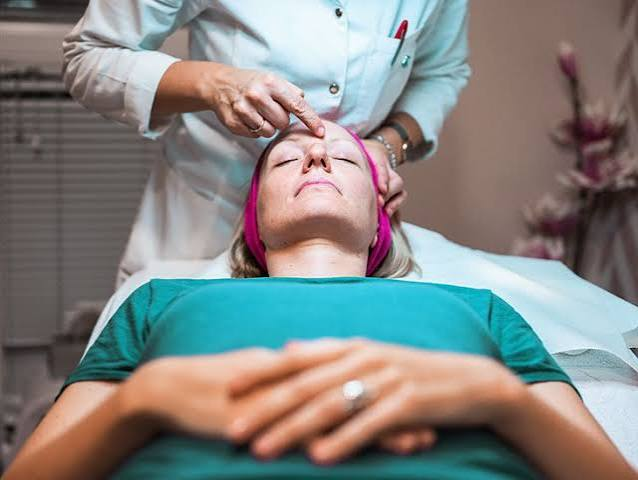
Most people do not damage their skin in one dramatic moment. It usually happens through small repeated choices: the wrong cleanser, too many actives, steroid creams used without guidance, skipping sunscreen, copying another person’s routine, or treating every breakout as the same problem. This is why dermatology care in Medavakkam should not be seen only as a response to visible skin trouble. A personalised consultation can help you understand your skin properly before years of trial-and-error make the concern harder to manage.
Velantis Dermatology’s Medavakkam guide explains that a good dermatologist does not begin with a package or procedure. They begin with the concern, the diagnosis, the patient’s history, and a plan that fits the condition. That distinction matters because long-term skin health depends less on chasing quick fixes and more on choosing care that matches your skin, your lifestyle, and your actual medical need.
Your Skin Is Not a Template
The problem with generic skin care advice is that it assumes everyone starts from the same place.
They do not.
Two people may both say they have acne, but one may have comedonal acne, another may have inflamed cystic acne, another may have acne triggered by products, and another may have acne-like bumps caused by a different condition entirely.
The same applies to pigmentation, hair fall, dandruff, rashes, eczema, and sensitive skin. Similar-looking symptoms can come from different causes.
A personalised consultation helps separate:
- What the condition appears to be
- What may be triggering it
- What makes it worse
- What previous products have done to the skin
- What treatment is safe for the patient
- What kind of follow-up is needed
- What should be avoided
That first layer of clarity is often what people miss when they rely only on online routines.
The Biggest Skin Care Mistake Is Copying Someone Else’s Routine
A routine that works beautifully for one person can irritate another person’s skin.
Someone with oily, acne-prone skin may tolerate certain actives. Someone with a damaged skin barrier may react badly to the same routine. Someone with melasma may need strict sun protection and medical guidance. Someone with recurrent fungal infection may worsen the issue by applying heavy creams or steroid combinations.
Copied routines often fail because they ignore:
- Skin type
- Skin tone
- Climate
- Sweat exposure
- Hormonal patterns
- Product history
- Existing medication
- Barrier sensitivity
- Active skin disease
- Allergy or irritation risk
A dermatologist looks at these details before recommending a plan. That is the difference between skin care that sounds impressive and skin care that is actually suitable.
Long-Term Skin Health Starts With the Right Diagnosis
A proper diagnosis is not a formality. It shapes everything that follows.
For example, pigmentation may be melasma, post-acne marks, sun damage, friction-related darkening, drug-related pigmentation, or post-inflammatory change after a rash. Treating all of these with the same “brightening” cream is not sensible.
A rash may be eczema, fungal infection, contact dermatitis, psoriasis, or bacterial infection. Using the wrong cream can delay recovery or worsen the condition.
Hair fall may be temporary shedding, patterned hair loss, nutritional deficiency, scalp inflammation, alopecia areata, or post-illness shedding. A shampoo alone cannot answer all of that.
The American Academy of Dermatology describes dermatologists as medical doctors who specialise in treating the skin, hair, and nails. That matters because a consultation should connect your visible concern with the medical explanation behind it.
Personalised Care Prevents Over-Treatment
Many patients assume stronger treatment means better treatment. That is not always true.
Over-treatment is common in skin care.
It may look like:
- Using too many exfoliating acids
- Combining retinoids with harsh scrubs
- Applying steroid creams repeatedly
- Using fairness creams without knowing ingredients
- Getting procedures too early
- Using acne spot treatments across the whole face
- Switching products every few days
- Layering multiple serums without purpose
Over-treatment can lead to dryness, burning, acne flares, sensitivity, pigmentation, and barrier damage.
A personalised dermatologist-led plan can be simpler but more effective. Sometimes the first step is not adding more. It is stopping what is harming the skin.
Personalised Care Also Prevents Under-Treatment
The opposite problem is also common. Some patients under-treat because they assume their concern is only cosmetic or temporary.
They wait months with active acne. They ignore worsening pigmentation. They keep dandruff shampoos going despite scalp redness and itching. They watch hair density reduce but do not seek evaluation. They delay care for rashes that keep returning.
Under-treatment can allow the concern to progress.
Examples include:
- Acne leaving scars
- Eczema becoming infected
- Fungal infection spreading
- Hair thinning advancing
- Pigmentation becoming more resistant
- Scalp inflammation affecting hair quality
- Suspicious skin changes being missed
A personalised consultation helps patients understand what can wait, what needs care, and what needs closer monitoring.
Chennai’s Climate Changes Skin Care Decisions
Skin care advice cannot be separated from environment.
In Chennai, heat, humidity, sweating, sun exposure, dust, and frequent commuting can influence skin and scalp concerns. A heavy moisturiser that suits someone in a cold climate may feel greasy and clogging here. A sunscreen that works indoors may not hold up well through sweat and travel. A scalp routine that ignores humidity may fail in daily life.
For people living around Medavakkam and nearby areas, local lifestyle factors may include:
- Long commutes
- Helmet use
- Sweat buildup
- Sun exposure
- Pollution and dust
- Frequent face washing
- Product layering
- Hard water concerns
- Humid weather
- Friction from masks, collars, or clothing
A personalised consultation takes these real-world details into account.
Skin Tone Matters in Treatment Planning
Skin concerns do not appear the same way on every skin tone. Redness, irritation, pigmentation, post-inflammatory marks, and certain rashes can look different on brown skin than they do in textbook images based on lighter skin.
This matters in Indian dermatology.
For example, acne may leave pigmentation even after the pimples settle. Aggressive treatment may increase dark marks. Procedures need to be chosen carefully. Irritation can show up as burning, dullness, roughness, or darkening rather than obvious redness.
A dermatologist who understands skin tone and response patterns can plan treatment with more caution.
That includes decisions around:
- Peels
- Lasers
- Retinoids
- Pigmentation treatment
- Acne scar procedures
- Hair removal procedures
- Eczema management
- Post-inflammatory pigmentation
Personalisation is not a luxury here. It is a safety issue.
A Good Consultation Looks at Your Product History
Your current skin may be partly shaped by what you have already used.
A dermatologist will usually want to know about:
- Face washes
- Moisturisers
- Sunscreens
- Serums
- Prescription creams
- Steroid creams
- Hair oils
- Dandruff shampoos
- Salon treatments
- Peels or facials
- Home remedies
- Supplements
- Previous acne or pigmentation treatment
This matters because product misuse can mimic or worsen disease. A patient may think they have “sensitive skin” when the real issue is repeated irritation from harsh products. Another may think acne is worsening naturally when a heavy cream is clogging the skin.
Without product history, treatment planning becomes incomplete.
Personalised Consultation Helps Set Realistic Timelines
One reason patients get frustrated is that they expect every skin issue to improve quickly.
Some do. Many do not.
Acne, pigmentation, melasma, hair thinning, eczema, scars, and chronic scalp conditions often need weeks or months of guided care. Some concerns need maintenance even after improvement.
A good dermatologist should explain:
- What improvement may look like
- How long the first phase may take
- What side effects to watch for
- When to return
- What should not be changed too soon
- Which results are realistic
- Whether procedures may be needed later
- What maintenance might involve
This helps patients avoid the cycle of quitting treatment too early and starting something new every month.
Procedures Should Fit the Person, Not the Trend
Skin procedures can be helpful when chosen well. Chemical peels, lasers, PRP, scar procedures, anti-ageing treatments, and pigmentation treatments all have their place.
But procedure-first care is risky.
A personalised consultation should ask:
- Is the diagnosis clear?
- Is the skin currently inflamed?
- Is the barrier healthy enough?
- What is the patient’s skin tone?
- What are the risks?
- What result is realistic?
- Is maintenance needed?
- Are there safer first-line options?
- Is the patient a good candidate?
This is especially important for people influenced by social media trends. A treatment that looks impressive in a reel may not suit your skin concern, skin tone, budget, or medical history.
Long-Term Skin Health Needs Follow-Up
A single consultation can begin the process, but long-term skin health often needs review.
Follow-up helps the dermatologist check:
- Whether the diagnosis still fits
- Whether treatment is working
- Whether irritation has appeared
- Whether the dose needs change
- Whether maintenance can begin
- Whether a procedure should be delayed or added
- Whether new triggers are involved
Skin changes over time. Hormones, stress, weather, illness, pregnancy, medication, age, and lifestyle can all affect it.
Personalised care is not a one-time prescription. It is a plan that can be adjusted.
Your Routine Should Be Built Around Your Skin Barrier
The skin barrier protects against irritation, dryness, allergens, and infection. Many skin concerns worsen when the barrier is repeatedly damaged.
Barrier damage may show up as:
- Burning
- Stinging
- Tightness
- Rough texture
- Peeling
- Increased sensitivity
- Redness or darkening
- Breakouts
- Itching
- Product intolerance
A personalised consultation helps identify whether the skin needs active treatment or barrier repair first.
Sometimes patients want acne or pigmentation treatment immediately, but the dermatologist may first simplify the routine, repair irritation, and then introduce stronger treatments gradually.
That approach may feel slower at first, but it is often safer for long-term skin health.
Personalised Care Is Especially Useful for Recurring Problems
Some skin concerns keep coming back because the trigger was never identified.
Recurring issues may include:
- Fungal infection
- Dandruff
- Acne
- Eczema
- Contact dermatitis
- Urticaria
- Folliculitis
- Pigmentation
- Scalp itching
A personalised consultation looks for patterns.
The doctor may ask about clothing, sweating, skincare, work environment, hair products, allergies, food triggers, stress, menstrual cycle, shaving, helmets, footwear, pets, gym habits, or family history.
That wider view helps move beyond temporary relief.
It Helps Patients Avoid Confusing Medical and Cosmetic Needs
Some concerns are medical. Some are cosmetic. Many are both.
For example:
- Acne is medical, but scars and pigmentation affect appearance.
- Hair fall may be medical, but density affects confidence.
- Melasma is a pigmentation disorder, but patients often seek cosmetic improvement.
- Dandruff may seem cosmetic, but severe scalp inflammation needs medical care.
- A mole may look cosmetic, but change needs assessment.
A good consultation helps patients understand where their concern sits.
This matters because cosmetic treatments should not be used to cover up undiagnosed medical issues.
Personalised Consultation Builds Safer Maintenance
Long-term skin health is not only about treating flare-ups. It is also about maintenance.
A dermatologist may help plan:
- A basic cleanser
- A suitable moisturiser
- Sunscreen choice
- Acne maintenance
- Pigmentation prevention
- Scalp care
- Anti-ageing routine
- Barrier repair
- Seasonal adjustments
- Follow-up intervals
- Procedure spacing
Maintenance is often simpler than active treatment. But it needs to be right for the person.
A patient with acne-prone skin, a patient with eczema, and a patient with melasma should not all have the same maintenance routine.
What You Should Bring to a Skin Consultation
A better consultation often starts with better information.
Before visiting, it helps to note:
- When the concern started
- What has changed recently
- What products you use
- What treatments you tried
- What made it better or worse
- Any itching, pain, bleeding, or burning
- Photos from earlier stages
- Medical conditions
- Current medicines
- Pregnancy or hormonal history, if relevant
- Family history of similar concerns
This saves time and helps the dermatologist make better decisions.
For acne, pigmentation, and hair fall, photos from earlier months can be especially useful.
A Personalised Plan Should Be Clear
After a good consultation, you should not leave more confused than when you entered.
You should understand:
- The likely diagnosis
- Why the doctor thinks so
- What treatment is being started
- How to use each medicine or product
- What to avoid
- What side effects to watch for
- When improvement may begin
- When to return
- What the next step may be
You do not need a long scientific lecture. You need a clear plan you can follow.
Final Word
Personalised skin care consultation matters because skin health is not generic. Your skin concern, skin tone, climate, product history, medical background, lifestyle, and treatment goals all affect what is safe and useful.
Long-term skin health is rarely built through random products or copied routines. It comes from diagnosis, careful planning, realistic timelines, follow-up, and maintenance that fits the person.
If you are seeking dermatology care in Medavakkam, the smarter question is not “Which treatment is trending?” It is “What does my skin actually need, and who can help me understand it properly?” That is where personalised dermatology care makes the difference.
