

For generations, the standard response to a pet health crisis has been a familiar and deeply stressful routine: coaxing a frightened or suffering animal into a carrier, navigating chaotic city traffic, and enduring an agonizing wait in a crowded clinic waiting room. When a beloved pet experiences a sudden illness or acute injury, every single minute spent traveling feels magnified and unbearable. However, a fundamental shift in veterinary medicine is currently underway across the globe, completely redefining how pet owners access urgent medical attention and expert clinical support.
The rapid evolution of modern house-call veterinary medicine, particularly through dedicated specialized services providing emergency care at your door, is swiftly reshaping owner expectations around speed, comfort, and overall clinical efficiency. Rather than treating home visits as an outdated relic or a rare luxury reserved for routine checkups, the modern veterinary industry is increasingly embracing door-to-door urgent response as a vital primary pillar of emergency care.
Eliminating Travel Stress During Critical Moments
One of the most immediate and profound benefits of doorstep veterinary care is the total elimination of transport-induced trauma. Companion animals—especially cats, senior dogs, and anxious breeds—thrive on familiarity and routine. Removing them from their safe environment during a frightening medical emergency often spikes their heart rate, elevates stress hormones, and dramatically obscures baseline vital signs during examination.
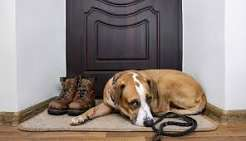
By bringing fully equipped veterinary professionals directly into the home environment, immediate triage, vital stabilizing treatments, and thorough diagnostic evaluations begin in the exact place where the animal feels most secure. Pets remain calm resting on their favorite rug or couch, allowing attending veterinarians to obtain far more accurate diagnostic readings, perform delicate procedures, and administer necessary pain relief or medical stabilization without adding the heavy physiological burden of vehicular travel.
Elevating the Owner Experience and Peace of Mind
The benefits of this modern approach extend far beyond the physical comfort and immediate well-being of the animal itself. For pet owners, navigating a sudden late-night health scare creates immense emotional and psychological strain. Mobile emergency units bridge the painful gap between panic and clinical intervention, delivering rapid expertise and professional reassurance directly to the doorstep.
Furthermore, this model fosters a deeply personalized, transparent, and collaborative dynamic between the attending medical team and the family. Without the constant noise, interruptions, and frantic pace of a traditional bustling emergency hospital ward, veterinarians can offer clear, focused communication. They can guide owners step-by-step through critical diagnostic decisions and tailored treatment options in a quiet, controlled, and compassionate setting. It transforms what would otherwise be a chaotic and terrifying medical crisis into a structured, supported, and dignified experience.
A Forward-Looking Approach to Emergency Access
As digital communication technology, logistics routing, and lightweight mobile medical equipment continue to advance rapidly, doorstep urgent care represents the clear future trajectory of pet care expectations. Modern families already rely on seamless, on-demand solutions for virtually every aspect of their daily lives, and emergency veterinary care is naturally evolving to meet that same high standard of immediate accessibility and convenience.
Ultimately, bringing comprehensive, emergency-grade veterinary care straight to a family’s front door does not merely offer logistical convenience—it establishes a fundamentally higher standard for animal welfare. By prioritizing rapid response, minimal psychological disruption, and individualized, highly focused attention, doorstep emergency services are ensuring that our animal companions receive top-tier medical care precisely when and where they need it most.
