

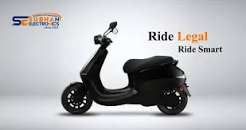
Electric scooters have moved well beyond novelty status. They are now a practical part of daily commuting in dozens of American cities, used by students, delivery workers, professionals, and retirees alike. As the number of riders grows, so does the confusion around what is actually required to operate one legally. The rules are not uniform, they are not always intuitive, and they carry real consequences when ignored.
The core question most new riders face is straightforward: do you need a license to ride an electric scooter? The answer depends heavily on where you live, the type of scooter you are riding, and how that scooter is classified under your state’s vehicle code. Getting this wrong is not a minor issue. It can result in fines, impoundment, and complications with insurance if an incident occurs. In 2025, with state legislatures continuing to revise their transportation codes to account for micromobility, understanding the current legal framework is something every rider should treat as a basic responsibility.
How States Classify Electric Scooters and Why It Matters
The question of whether you can ride an electric scooter without license requirements attached to the activity comes down almost entirely to vehicle classification. Most states follow a tiered model that distinguishes between low-speed personal devices and motorized vehicles. An electric scooter that stays below a certain speed threshold and does not exceed a specific power output is often classified as a low-speed electric device or a personal mobility device, which places it outside the category of vehicles requiring a standard motor vehicle license. However, a scooter with higher output or modified speed capabilities may be treated the same as a moped or motorcycle, triggering full licensing and registration requirements.
The challenge is that no federal standard governs this classification uniformly. The National Highway Traffic Safety Administration provides guidance on low-speed vehicles, but state departments of motor vehicles interpret and apply these frameworks differently. What qualifies as an unlicensed personal device in one state may require a Class M license in another. Riders who cross state lines or who move to a new city mid-year often discover this the hard way.
For anyone researching riding an electric scooter without license obligations in their jurisdiction, the most reliable starting point is the specific motor vehicle or transportation code for their state, not general summaries or forum posts.
The Role of Speed and Power Thresholds
Speed and power output are the two primary variables that determine how a state classifies a scooter. Most states that allow electric scooters to be ridden without a license cap the qualifying speed at a level that reflects low-risk urban use. When a scooter exceeds that threshold — either by design or through modification — it typically crosses into a different regulatory category regardless of how it looks or how the manufacturer markets it.
This matters practically because many scooters available for purchase in 2025 are designed for higher performance. A rider who purchases a high-performance model expecting it to fall under the same permissive rules as a basic shared scooter may be operating under an incorrect assumption. The scooter’s physical characteristics, not the rider’s intention, determine classification in the eyes of traffic enforcement.
Shared Scooter Programs Versus Privately Owned Units
Shared scooter programs operated by companies in urban areas typically maintain fleets that are deliberately configured to comply with local ordinances. These operators work directly with city transportation authorities to ensure their vehicles qualify under the least restrictive classification, which usually means riders do not need a license to use them. This is by design — reducing the barrier to use is part of the business model.
Privately owned scooters do not come with this built-in compliance assumption. The owner is responsible for understanding how their specific unit is classified under local law and what obligations that classification creates. Assuming that a privately owned scooter follows the same rules as a shared fleet unit is a common and sometimes costly mistake.
State-by-State Variation and the Absence of a National Standard
Across the United States, electric scooter regulation exists as a patchwork. Some states have passed clear, dedicated legislation that defines electric scooters as a distinct vehicle category with their own rules. Others apply existing moped or motorized bicycle statutes, which were written long before electric scooters existed and do not map cleanly onto how modern scooters operate. A handful of states have not addressed the question directly, leaving it to municipalities or leaving riders in genuine legal ambiguity.
In states with clear permissive frameworks — California, Texas, and Florida among them — riding an electric scooter without license documentation is legally recognized for qualifying scooters, provided riders meet other basic requirements such as age minimums and helmet use where mandated. In other states, the same scooter ridden by the same person could trigger a requirement for at minimum a learner’s permit or a basic license endorsement.
Local Ordinances Can Override State Rules
Even in states with permissive statewide frameworks, individual cities and counties retain authority to impose stricter rules within their jurisdictions. A city that has experienced significant scooter-related incidents may require helmet use, restrict riding to specific lanes, or set lower speed limits for scooters than the state does. Some cities require riders to carry identification even when a license is not required, while others have banned scooters from certain districts entirely.
Riders who assume that knowing state law is sufficient often find themselves unaware of the additional layer that local ordinance creates. Checking both state and municipal rules before riding in any new area is the only reliable way to maintain compliance.
Age Requirements Operate Independently of Licensing
Many states that allow electric scooter use without a license still impose minimum age restrictions. These are not licensing requirements, but they carry enforcement consequences of their own. A rider who is below the minimum age may be cited regardless of whether they hold any other form of identification or permit. Parents and guardians who allow younger family members to ride without verifying age-related restrictions face legal exposure that is distinct from the licensing question.
What Happens When You Ride Outside the Rules
Operating a scooter in a way that does not comply with local law — whether due to a misunderstood classification, a modified vehicle, or a missed local ordinance — creates several categories of risk that riders often underestimate until they encounter them.
Traffic citations for unlicensed operation carry fines that vary widely by state. In some jurisdictions, unlicensed operation of a vehicle that requires licensure is treated similarly to unlicensed automobile operation, which is a more serious offense than most riders anticipate. Repeat violations or incidents that attract police attention can result in scooter impoundment, requiring the owner to navigate a formal release process.
Insurance Implications Are Significant
Most personal auto insurance policies do not automatically extend coverage to electric scooters. Riders who assume they are covered because they have auto insurance are frequently mistaken. For scooters that require registration and licensing, operating without those in place can void any applicable coverage in the event of an accident, leaving the rider personally liable for damages.
Even for scooters that do not require licensing, riders may find that their renters or homeowners insurance covers the device itself but provides no liability protection for third-party injuries. The gap between what riders assume is covered and what is actually covered is where the greatest financial risk sits.
Incident Reporting and Legal Standing
If a rider operating an electric scooter without license requirements in their jurisdiction is involved in an incident, their legal standing in any subsequent dispute is generally clean. However, if the scooter was improperly classified, modified beyond its legal specifications, or being operated in violation of local ordinance, that noncompliance becomes relevant in any insurance claim or civil matter. Courts and insurance adjusters examine compliance status as part of determining fault and coverage eligibility.
Practical Steps Before Getting on the Road
Riders who want to operate within the law without spending significant time on research have a manageable checklist. The process is not complicated, but it requires looking in the right places rather than relying on word-of-mouth or general internet searches that may reflect outdated or jurisdiction-specific information.
• Check your state’s department of motor vehicles website for the current classification of electric scooters and any licensing requirements attached to the class your scooter falls into.
• Review the municipal code or transportation ordinances for the specific city or county where you plan to ride most frequently, since local rules often extend beyond state minimums.
• Verify the speed and power specifications of your specific scooter model against the thresholds used in your state’s classification system, especially if the scooter is a higher-performance model.
• Contact your insurance provider to understand what coverage, if any, applies to the scooter and whether any endorsement or separate policy is needed for liability protection.
• If you have modified or plan to modify your scooter, understand how those changes affect its regulatory classification before making them.
Conclusion
Riding an electric scooter without license paperwork is entirely legal in many parts of the United States, but that legality is conditional and specific. It depends on the scooter’s classification, the state’s framework, local ordinances, and whether the rider meets any additional requirements around age, identification, or equipment. None of these factors can be assumed — they must be verified individually.
The regulatory environment around electric scooters is still evolving. States that have been silent on the issue are increasingly likely to address it as ridership expands. Rules that permitted certain behavior in 2023 may have been updated by 2025. Staying current requires periodic review, not a one-time check.
For riders who approach this with the same diligence they would apply to any other transportation decision, the process is manageable. The consequences of not doing so — fines, impoundment, uncovered liability — are avoidable with a reasonable investment of time upfront. That is the practical case for treating the legal framework around electric scooters not as bureaucratic noise, but as a basic element of responsible riding.
