

Introduction
A pest problem can quickly turn an otherwise comfortable property into a source of stress. Whether it involves rodents moving through a loft, wasps gathering around a roofline or insects appearing in kitchens and storage areas, unwanted pests can affect everyday routines and create additional maintenance responsibilities. For homeowners, landlords and businesses, dealing with these situations promptly is important for protecting buildings and maintaining suitable living and working conditions.
Bishop’s Stortford has a varied mix of residential properties, rental accommodation, restaurants, shops, offices and industrial premises. Each type of building presents different opportunities for pests to find shelter, food and access. Older properties may have structural openings that allow rodents to enter, while commercial premises can experience problems around waste storage, deliveries and food preparation areas.
Effective pest management is not simply about removing the animals or insects that can be seen. It involves understanding their behaviour, identifying the source of the infestation and choosing appropriate methods to prevent further activity.
How Different Properties Develop Pest Problems
Pest infestations can occur in almost any building, regardless of its age or condition. However, the surrounding environment and the way a property is maintained can influence which pests are likely to appear.
Residential properties often experience problems involving mice, rats, ants, fleas and wasps. Gardens, garages, lofts and kitchens can provide suitable conditions for unwanted visitors when food and shelter are readily available.
Rental properties may face additional challenges because several occupants can use the same building over time. If previous pest activity has not been properly investigated, a new tenant may discover signs of an existing infestation.
Commercial premises have different requirements. Restaurants and cafes must maintain suitable food hygiene arrangements, while warehouses need to protect stored materials and deliveries. Offices and retail buildings may experience rodent activity around kitchens, service entrances and external waste areas.
Recognising these differences is important because a treatment that works for one property may not be suitable for another.
Rodent Control Requires More Than Removing Visible Rats and Mice
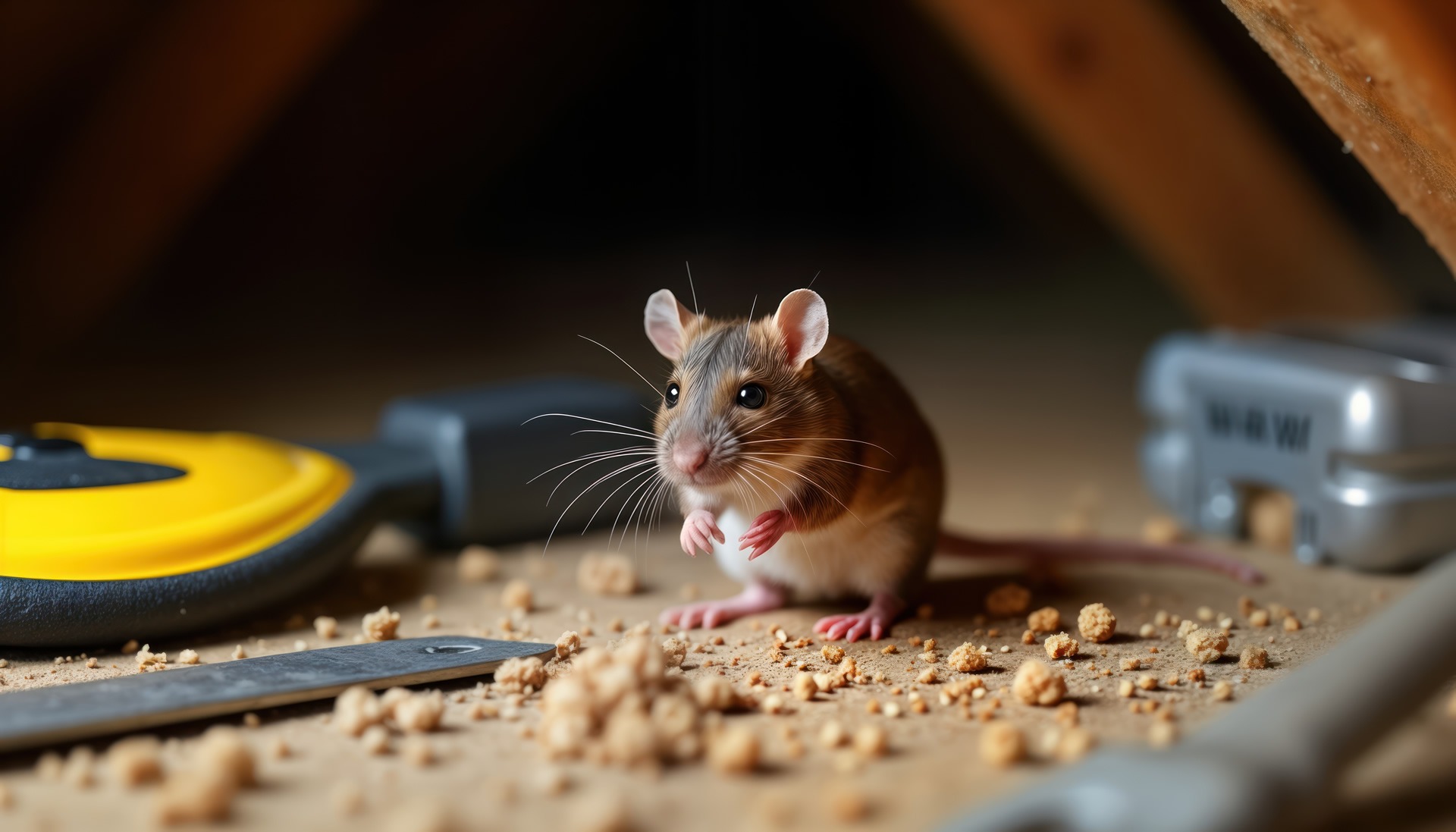
Rats and mice are among the most challenging pests encountered in residential and commercial buildings. Their ability to move through concealed spaces means that an infestation can develop without occupants immediately noticing.
Mice can enter through surprisingly small openings around doors, pipes, ventilation systems and damaged building materials. Once inside, they may establish nests behind kitchen units, beneath floorboards or inside wall cavities.
Rats can also use gardens, drains, sewer connections and external structural openings to access properties.
Common warning signs include:
- Small droppings around cupboards and food storage areas.
- Scratching noises inside walls, ceilings and lofts.
- Gnaw marks on packaging, insulation and other materials.
- Nesting materials in undisturbed corners.
- Unusual smells around enclosed spaces.
- Repeated sightings near rubbish storage areas.
Professional rodent treatment should involve identifying the species, examining affected locations and determining how the animals are entering the property.
The Exterminator Pest Control provides rat and mouse control services throughout Bishop’s Stortford. Its treatment packages include inspections, targeted treatment and practical advice about entry points and prevention.
For recurring rat problems, investigating the surrounding drainage infrastructure can also be important. Rob’s previous experience in the wastewater industry includes thousands of CCTV drainage surveys, providing relevant expertise when examining suspected connections between rodent activity and damaged underground pipework.
Understanding the Importance of Drainage Inspections
Drainage systems are rarely the first thing property owners consider when they discover rats. However, underground pipework can sometimes provide access routes that allow rodents to move between sewer systems and nearby buildings.
Cracks, damaged connections and defective drainage structures may create opportunities for rats to enter areas where they would not normally be expected.
When a property experiences repeated rat activity despite previous treatment, investigating the drainage system may help identify an underlying cause.
CCTV drainage surveys provide a practical way to examine the internal condition of underground pipes. A specialist camera can travel through the drainage system and capture images of defects, obstructions and other potential problems.
This information can help property owners understand whether repairs or additional preventive measures are required.
The advantage of investigating the source is that it addresses the conditions contributing to the infestation rather than repeatedly responding to the same visible symptoms.
Managing Wasps Around Residential and Commercial Buildings
Wasps become particularly noticeable during warmer months when colonies develop and worker activity increases.
Nests may be constructed in loft spaces, roof cavities, sheds, garages, wall openings and other sheltered locations. In some cases, residents only become aware of a nest after noticing repeated wasp movements around one particular area.
Although a nest may initially appear small, disturbing it without appropriate equipment can lead to aggressive defensive behaviour.
Property owners should avoid blocking nest entrances or attempting to remove active nests themselves. Such actions may cause wasps to find alternative routes into buildings or create unnecessary risks.
Professional wasp treatment involves locating the nest, assessing access requirements and selecting an appropriate treatment method.
The Exterminator Pest Control offers wasp nest treatments across Bishop’s Stortford and surrounding communities. Technicians use professional equipment and explain any precautions that occupants should follow after treatment.
Protecting Homes from Bed Bugs and Fleas
Not all pest problems involve structural damage or rodents. Biting insects such as bed bugs and fleas can affect the comfort of people living in a property.
Bed bugs are small insects that hide in cracks, mattress seams, bed frames, furniture joints and other sheltered locations. They can spread through luggage, second-hand furniture and personal belongings.
Their presence is not necessarily an indication of poor household cleanliness. Even well-maintained accommodation can experience an infestation.
Fleas present a different challenge. They are commonly associated with animals but can also develop within carpets, soft furnishings and other areas where their immature stages remain.
Both problems require correct identification and suitable treatment.
Simply cleaning visible areas or using ordinary household sprays may not address insects hidden in inaccessible locations.
Professional inspection helps identify likely harbourage areas and determine which rooms and surfaces require attention.
The Exterminator Pest Control provides targeted bed bug and flea treatments for private homes, rental properties and commercial accommodation. Customers are also given preparation instructions to help make treatment more effective.
Pest Prevention for Landlords and Letting Agents
Landlords and property managers have an important role in maintaining suitable conditions within rental accommodation.
A tenant reporting pest activity should be taken seriously, particularly when there are signs that a structural defect or maintenance issue may be contributing to the problem.
For example, mice repeatedly appearing near a kitchen could indicate gaps around pipework or damaged external fittings. Similarly, rat activity around a garden may require investigation of waste storage arrangements or nearby drainage.
A structured approach can help property managers respond more effectively.
Useful preventive measures include:
- Inspecting external walls, doors and roof structures for openings.
- Checking shared kitchens and communal waste areas.
- Investigating reports of droppings, gnawing or unusual noises.
- Maintaining suitable rubbish storage and collection arrangements.
- Arranging professional inspections when infestations are suspected.
- Keeping records of treatment visits and recommendations.
- Addressing structural defects that may allow pests to return.
Professional pest management can provide landlords with practical recommendations while helping tenants understand any preparation requirements before treatment.
Commercial Pest Management for Local Businesses
Businesses have different operational requirements, which means pest management should be planned around the type of premises and its daily activities.
Restaurants, cafes and food outlets need to pay particular attention to food storage, waste disposal and cleaning routines. Rodents and insects can create significant hygiene concerns if they become established in food preparation or storage areas.
Warehouses may experience pest activity around deliveries, packaging and stored goods. Offices can also encounter problems around staff kitchens, utility spaces and external building openings.
A commercial pest management programme can include routine inspections, monitoring, targeted treatments and advice on reducing conditions that attract pests.
For businesses that require regular support, scheduled visits can help identify developing problems before they become more disruptive.
The Exterminator Pest Control provides commercial pest management for a variety of premises, including:
- Restaurants and public houses.
- Cafes and fast-food outlets.
- Offices and retail shops.
- Schools and residential homes.
- Warehouses and industrial buildings.
- Farms and garden centres.
- Pet stores and country stores.
- Rental and managed accommodation.
The service can be arranged as a one-off treatment or ongoing support, depending on the requirements of the business.
Why Professional Inspection Makes a Difference
Different pests require different control methods. Identifying the species and understanding where it is active are essential before selecting a treatment.
A professional inspection helps establish the extent of the problem and whether additional measures are necessary.
For example, a mouse infestation in a kitchen may require targeted treatment and recommendations for sealing entry points. A wasp nest beneath roof tiles will involve a different assessment and access arrangement.
A good pest management service should also explain the proposed treatment, expected costs and precautions before work begins.
Customers should be informed about whether follow-up visits are necessary and what they can do to reduce the possibility of future activity.
The Exterminator Pest Control is a family-run company operated by Rob and Alison Smith. Based in Chelmsford, the company regularly travels to Bishop’s Stortford, CM23 and surrounding East Hertfordshire communities, including Thorley, Hockerill, Spellbrook and Stansted Mountfitchet.
The company is a member of the British Pest Control Association (BPCA), is fully insured and provides domestic and commercial pest management services. Rob holds an RSPH Level 2 qualification in pest management.
The business also aims to offer same-day appointments whenever scheduling and location allow. Customers receive a clear quotation before treatment begins, and there is no call-out fee when treatment is purchased.
Anyone looking for reliable Pest Control Bishop’s Stortford can contact the company to discuss an infestation, arrange an inspection and learn about available treatment options.
Practical Ways to Reduce Future Pest Activity
Although professional treatment is important when an infestation develops, property owners can also take several practical steps to make buildings less attractive to pests.
Food should be stored in sealed containers, and kitchen surfaces should be cleaned regularly. Household rubbish should be placed in suitable bins, with lids kept closed whenever possible.
External areas should also receive attention. Overgrown vegetation, accumulated garden waste and unused materials can provide shelter for rodents and other unwanted animals.
Structural maintenance is equally important. Damaged vents, openings around utility pipes and gaps beneath external doors should be investigated and repaired using appropriate materials.
Businesses should establish regular cleaning routines and ensure that staff know how to report suspected pest activity.
These measures do not guarantee that pests will never enter a property, but they can reduce the opportunities available to them.
What to Expect When Arranging a Pest Control Appointment
Arranging professional assistance should be a straightforward process.
The first step is to explain what has been noticed, where the activity is occurring and how long the problem has been present. Photographs or descriptions can sometimes help identify the likely pest before an appointment.
During the inspection, the technician assesses the affected areas and looks for signs of nesting, entry points and other conditions contributing to the problem.
A suitable treatment plan is then discussed, including the price and any precautions or preparation requirements.
Where further visits are necessary, the technician can explain the expected schedule and provide advice about monitoring activity between appointments.
This clear process helps homeowners and business operators understand what is involved rather than relying on uncertain or temporary solutions.
Conclusion
Maintaining a pest-free property requires a combination of good housekeeping, building maintenance and appropriate professional support. Rats, mice, wasps, bed bugs, fleas and other unwanted pests can affect residential and commercial premises in different ways, making correct identification essential.
For property owners in Bishop’s Stortford, early action can help prevent minor signs of activity from developing into more complicated infestations. Investigating entry points, checking drainage systems and maintaining suitable hygiene arrangements are all important parts of long-term prevention.
Professional pest management provides access to trained technicians, suitable treatment methods and practical advice tailored to individual properties.
Whether dealing with a rodent problem in a loft, a wasp nest near a roofline or insects in rental accommodation, seeking an appropriate assessment is a sensible first step.
Working with an experienced Bishop’s Stortford Exterminator can help homeowners, landlords and businesses understand their options and take effective steps towards maintaining a cleaner, safer and more comfortable environment.
